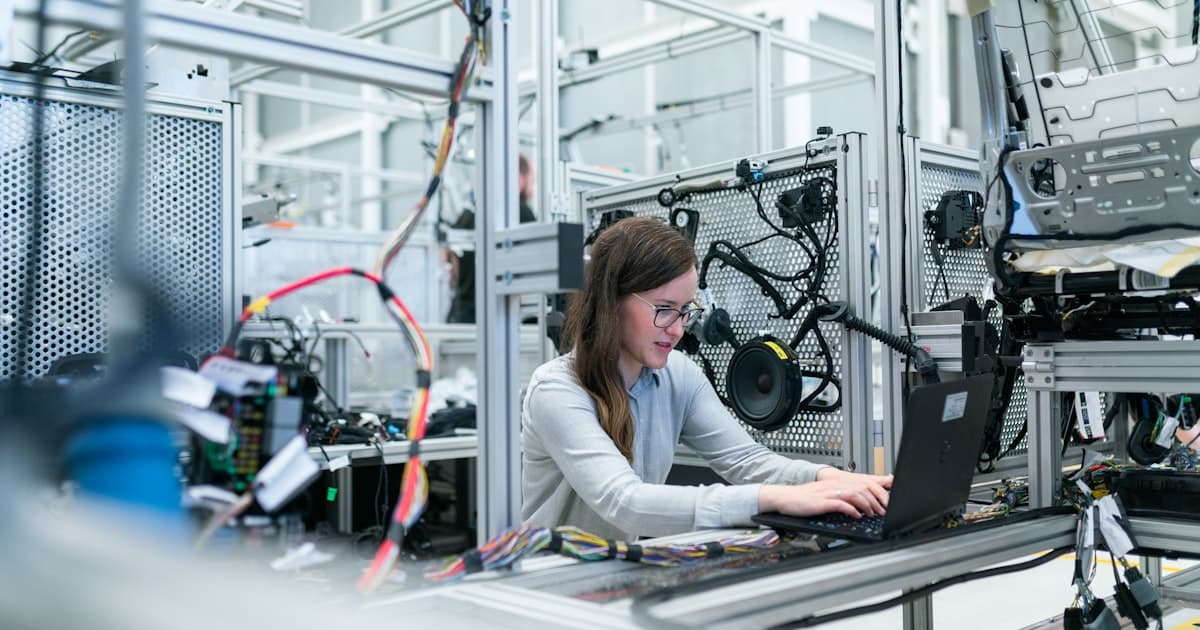
Look inside any critical European system, a border surveillance platform, an air traffic control radar, an autonomous inspection drone, and count the sensors made in Europe. The number is lower than it should be. Brussels knows this, and it's spending billions to fix it.
The dependency problem
European system integrators build world-class platforms, but the sensor components inside them often come from the US, Israel, Japan, or China. LiDAR modules, infrared detectors, radar chips, inertial measurement units. When supply chains tighten or geopolitical tensions rise, access to these components becomes uncertain.
The EU learned this lesson during the semiconductor shortage. It's determined not to repeat it with sensors.
What the EU is doing about it
Three parallel tracks. First, R&D funding through EDF and Horizon Europe to develop European sensor technology. Second, procurement rules through EDIP that preference European-made components. Third, industrial partnerships between sensor SMEs and large system integrators to build long-term supply relationships.
For a sensor company, this means funded R&D to develop your technology, guaranteed demand once it's ready, and structured introductions to the companies that will integrate it into larger systems.
Where the biggest gaps are
- Solid-state LiDAR: Europe has strong laser sources but limited integrated LiDAR module production
- Infrared detectors: heavy dependence on US-made cooled IR sensors
- Small form-factor radar: phased array radar chips largely sourced from non-EU suppliers
- Inertial navigation: high-precision IMUs for GPS-denied environments, mostly non-European
If your company builds any of these, you're filling a gap that the EU is actively trying to close. The combination of R&D grants, procurement preferences, and supply chain pressure creates a tailwind that no amount of sales effort could replicate.
The supply chain is being assembled now. Companies that join during the R&D phase become the default suppliers during deployment. That transition is happening in 2026 and 2027.
Check if your technology qualifies
Free eligibility check. We analyse your profile against open EU dual-use funding opportunities and get back to you within 48 hours.
Check your eligibility